
Delhi * Amritsar * Agra * Jaipur * Delhi
DAY 1 ARRIVE IN DELHI
You will arrive at Delhi International Airport. After customs, immigration formalities and after collecting your luggage, a VIAJES VER LA INDIA representative will meet you at the exit of the Arrivals Terminal, and you will then be transferred to your hotel , where you will proceed to check-in.
Overnight at the hotel
DAY 2 IN DELHI
After a buffet breakfast at the hotel, you will continue with a tour of Delhi and its old city.
The tour begins with a visit to the Raj Ghat , a simple memorial to Mahatma Gandhi; continue by the Red Fort then by the Jama Masjid or Friday Mosque. Walk the narrow streets of Chandi Chawk to reach the mosque. It is the largest mosque in India, accommodating up to 25,000 worshippers. Designed by Shah Jahan , this grand mosque made of red sandstone and white marble is said to have been built by 5,000 craftsmen from 1644 to 1656. The large red sandstone steps lead to the east, north and south gates.
After the tour enjoy a walk in Old Delhi to see the many food stalls along the roads, accompanied by our culinary expert. Then stop for lunch at the famous restaurantKarim’s . Karim’s is known for its delicious cuisineMughal all over the world. The restaurant has a long history behind it. The owner’s great-grandfather was a chef in the royal kitchen of the Mughal Emperor. Therefore, the recipes have been passed down from generation to generation. It is a popular restaurant mentioned in the best travel guides.
Mughal cuisine is one of the most popular cuisines , stemming directly from the imperial kitchens of the Mughal Empire. Indian cuisine is also mainly influenced by the style of cooking practiced during the Mughal era. Mughal cuisine is quite spicy and has a unique aroma. By tasting it, everyone will be able to smell the crushed spices. All the spices used in the preparation are easily accessible.
The rich preparation of Mughal cuisine consisting of seasoned sauces of butter-based curries is so tempting that lovers of good food will find it hard to stop.It offers a delicious variety ranging from spicy soup, grilled meat flavored with ginger to kulfi (traditional ice cream) sprinkled with rose petals. Even the names given to Mughal dishes are so appealing that it is hard not to be tempted to try several dishes.
After lunch, you will be driven to New Delhi , which reflects the heritage left by the British. Designed and built by British architect Edwin Lutyens and his friend Sir Herbert Baker, the new capital was officially inaugurated in 1931. The division between New and Old Delhi can be seen as the respective division between the British and Mughal capitals. The fortified city is only tradition in all its facets, colors and charms. By contrast, New Delhi is a city that has all the standards of the 21st century.
The Delhi Imperial tour includes a visit to the Qutub Minar , a five-storey tower visible from a very long distance. Then visit the tomb ofHumayun , built by the widow of the second Mughal emperor, Humayun, it is an impressive monument in an Indo-Persian style, precursor of the Taj Mahal. The tour also includes a visit to the imposing India Gate , the Parliament building and the Rastrapathi Bhawan , the President’s residence.
Return to the hotel.
Dinner and overnight at the hotel.
DAY 3 DELHI – AMRITSAR (Swarna Shatabdi (12029) @ 0720/1330hrs
Breakfast at the hotel. Transfer to the train station in the morning to board for Amritsar.
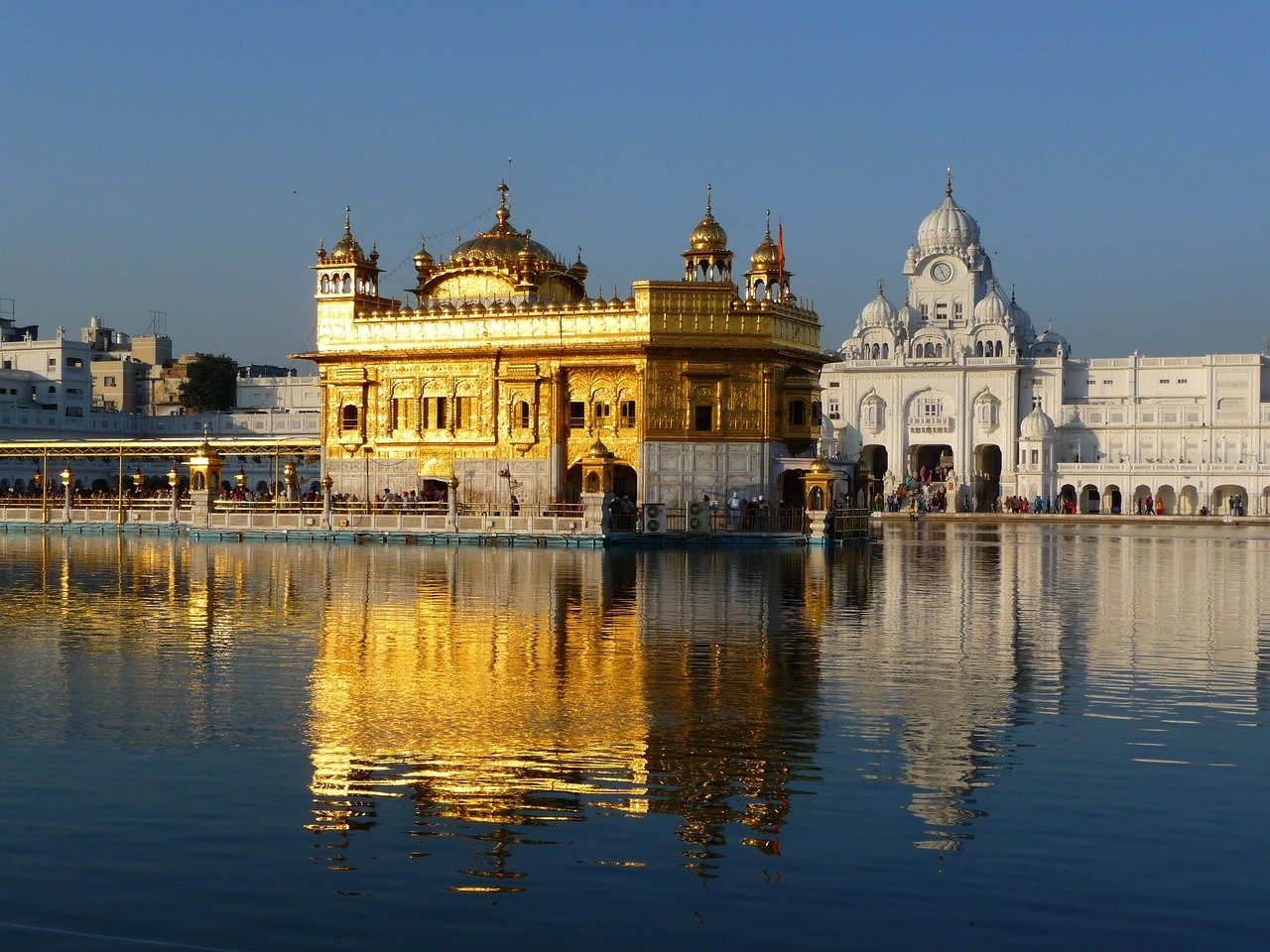
Amritsar (also called Ambarsar) is a city in the state of Punjab in northwestern India near the border with Pakistan. At the center of the old walled city is the Golden Temple ( Harmandir Sahib), considered the holy gurdwara, the main religious complex of the Sikh religion. At the bottom of a causeway, surrounded by the holy lake Amrit Sarovar, where devotees bathe. Amritsar is also famous for its diversity of food, which is known around the world Sikhs are known for their hospitality and kindness. You will experience exquisite food here.
Arrival and transfer to the Hotel
Lunch will also be at the hotel.
At the end of the afternoon, visit the alleys of Wadi and Papad to observe the manufacturing techniques. Wadi is a dumpling of dried and spiced lentils while papad is a thin and crispy Indian preparation, sometimes described as a cracker or a flatbread and often served as an accompaniment to the main dish.
We will then walk through the food-filled aisles of Bharava da Dhaba , famous for its Paranthas (another form of Indian flatbread often stuffed or cooked in layers with clarified butter , Phoola wow chowk famous for its Samosas, or Sujan Singh Lassi Wala for its delicious heavy butters and its pade wali lassi (traditional Punjabi yoghurts that serve as a refreshing drink in India and Pakistan).
The end of the tour will be at Kesar da Dhaba , one of the oldest Dhabas (1916) where the lentil is cooked and served there after being mixed in Desi Ghee (clarified country butter) for 12 hours.
Dinner at the Stars & Bars restaurant.
Night at the hotel.
DAY 4 AMRITSAR
Breakfast at the hotel. In the morning you will visit Harmandir Sahib (The Abode of God), more often called the Golden Temple, which houses the holy literature (the Sri Guru Granth Sahib) worshiped by the Sikhs. The building is crowned by a dome in the shape of an inverted lotus. With the first light of dawn, the reflection of the temple in the basin gives the complex a celestial atmosphere. As the sun moves, the temple offers myriad views, each beautiful and captivating. The building has four entrances instead of the usual single entrance. It is a symbol of the openness of Sikhism and indicates that everyone is free to enter it regardless of their faith. The interior walls are decorated with carved wooden panels inlaid with silver and gold.
Here you will witness the largest free community kitchen in the world, and be free to try your hand at rolling chapattis or serving food to congregants.
Lunch will be served at the Yellow Restaurant Chilly .
Later in the afternoon you will be driven to the Atari border post and Wagah checkpoint between India and Pakistan to observe the flag ceremony on the border. It is the only point of entry between the two countries, which have maintained hostile relations since independence in 1947. Watch the unique parade, change of guards and withdrawal of troops at sunset . The exercise, choreographed with aggressive postures and the sounds of swords, draws the encouragement from spectators on both sides.
Dinner will be served at local restaurant Beer Story.
Attend the night ceremony at the Golden Temple.
Night at the hotel.
DAY 5 AMRITSAR – DELHI (ASR Shatabdi EXP – 12014 @ 04h55/11h02)
DELHI – AGRA
Cold breakfast (Tea / Coffee / Cookies) at the hotel. Then transfer to the station to board the train to Delhi.
Arrive at Delhi railway station then have lunch at a local restaurant before driving to Agra.
The city of the Taj Mahal, a poem in white marble built in the 16th century by Emperor Shahjahan for love. Agra was in the past the Mughal capital and the relics of this glorious past dot the city. From the Taj Mahal to the massive Agra Fort, the delicately carved tomb of Itimad-ud-Daulah , is a must on the program.
Arrival & check in at the Hotel
Dinner & night at the hotel.
DAY 6 AGRA
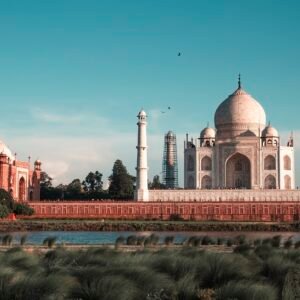
It is said that the best time to visit the Taj Mahal is at sunrise. Early in the morning a Horse Carriage will pick you up for an incomparable tour of the Taj Mahal with the lights of dawn(Closed on Friday) . This harrowing Mughal mausoleum was built by Emperor Shah Jahan in memory of his second wife Mumtaz Mahal, who died in childbirth in 1631 leaving the emperor so distraught it is said his hair turned gray overnight. It took 22 years and 20,000 men to build it. The white marble was quarried 320 km away and would have been transported to the site by a thousand elephants. Although the Taj looks stunningly perfect from every angle, it’s most breathtaking up close thanks to the marble inlay work.You will have plenty of time to observe it and let yourself be enchanted by this exceptional architecture.
After visiting the Taj Mahal return to the hotel for a buffet breakfast.
Then set off on an Indian cooking experience . You will be invited to explore and savor the cultural and culinary heritage of the Taj Mahal city, Agra, accompanied by a delicious meal. The home-cooked meal will be prepared by you with the help of your instructor, during the course, during which you will be free to chat with him and offer you a glimpse of contemporary India in the big cities.
Then visit Agra Fort , an outstanding example of Mughal architecture. Agra Fort – seat and stronghold of the Mughal Empire for generations. Headquarters of the administration, the current structure owes its origins to Akbar who erected the walls and gates as well as the first buildings east of the Yamuna River. Shah Jehan added the impressive quarters and the mosque while Aurangzeb had the outer ramparts added. Visit its hall for public audiences and royal pavilions.
Enjoy a Taj Mahal Photo Tour from Mehtab Bagh – The Moonlight Garden. It is said to have been drawn by Shah Jahan in order to observe the Taj at night under the light of the Moon, far from the infuriating crowds, and it is one of the best vantage points from which to observe the grand mausoleum . Forest plantations and fields give the Taj Mahal a green course and its reflection in the Yamuna.
Dinner & Night at the hotel.
DAY 7 AGRA – FATEHPUR SIKRI – JAIPUR
After breakfast drive to Jaipur for an excursion to Fatehpur Sikri.
Visit Fatehpur Sikri, the desert city made of red sandstone, built by the great Mughal emperor Akbar as his capital and his palace towards the end of the 16th century . It was abandoned shortly after its construction when the wells dried up and it remains today in almost the same state as it was 300 years ago. It features palaces and mosques and was once a larger city than London when it was built. Today it is an extraordinary place to stroll between its buildings in an almost perfect state of preservation.
You will make a stop on the road in a charmingHaveli in Bharatpur for lunch.
Proceed to Jaipur. Upon arrival you will check-in at the Hotel
Relax the rest of the day.
Dinner & night at the hotel.
DAY 8 JAIPUR
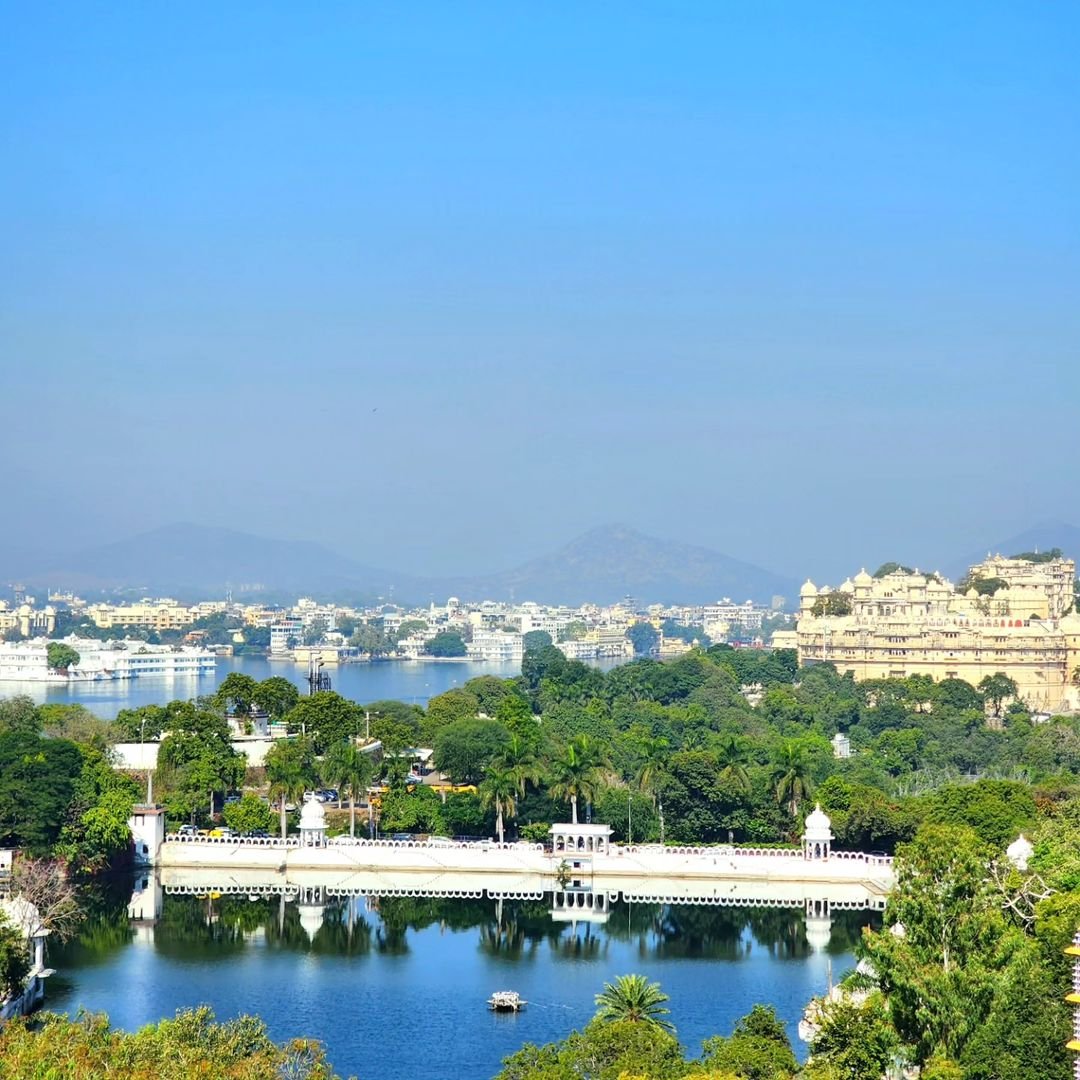
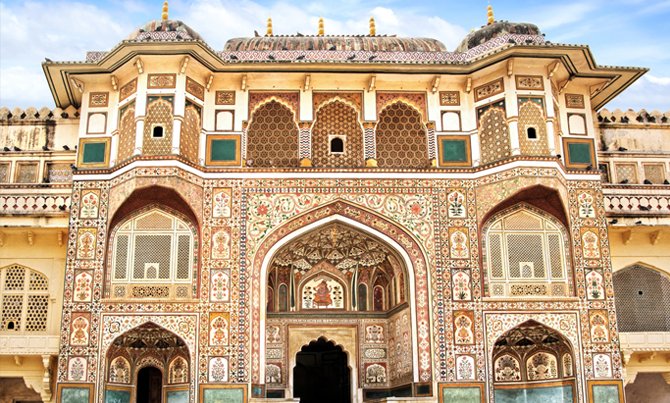
After breakfast at the hotel, you will be driven to the ancient capital of Amber to see the fabulous Amber Fort. Maharaja Mansingh, Mughal Emperor Akbar’s most successful general, began construction of Amber Fort in the 17th century . Before the City Palace was built in Jaipur, Amber was the seat of power. The fort is surrounded by fortified walls and overlooks Moat Lake. Ruins and relics are scattered across the Aravalli hills, and crenellated walls stretch all around.
An elephant / jeep will save you the difficulties to reach the fortress. Once at the top, stroll through the sprawling complex of courtyards and halls. Many of the bedroom walls are beautifully decorated with paintings, with gemstones and mirrors embedded in the walls. The most fascinating is, without doubt, the Sheesh Mahal (hall of mirrors) where a single point of light is reflected in the mirrors, enough to illuminate the room.
On your return to town, visit the Palace of the Winds , also known as the Hawa Mahal. It is an elaborate facade, from which the ladies of the court could observe daily life in the street below. It is carved from pink sandstone and extremely intricate. The cool wind blows through its facades of windows and lattice screens through which the queens of the court watched the streets of the city.
After the tour, lunch at local restaurant.
Later in the afternoon, explore the colorful bazaars of Jaipur . Jaipur is famous for its silver jewelry, gemstones and carpets. After shopping do not forget to visit LMB (Laxmi Misthan Bhandar ) at Johri Bazaar to grab some snacks.
Your dinner tonight will take place in the village Chokhi Dhani , for traditional cuisineRajasthani .
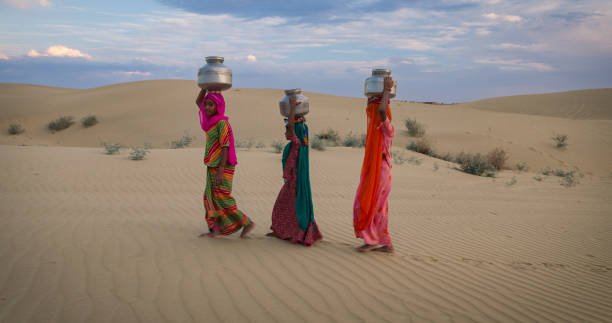
Rajasthani cuisine is perhaps the most delicate among the various Indian cuisines. It usually has a unique flavor or the simplest and most basic of ingredients is used in the preparation of most dishes. Undoubtedly due to the scarcity of water, cooking is carried out with a minimum of water, sometimes replaced by milk, butter or clarified butter.
Because many vegetables like tomatoes are not available, dried mango powder is widely used, while asafoetida is used instead of onion and garlic. Chickpea flour is a major ingredient and is used to make certain delicacies like khatta , gatte ki sabzi ,
pakodi ; powdered lentil is used for mangodi , papad ; bajra and maize throughout the state for the preparation of for rabdi , khichdi and rotis . Many condiments are made from local spices such as turmeric, coriander, mint or garlic.
After dinner, return to the hotel.
Night at the hotel.
DAY 9 JAIPUR – DELHI
After breakfast, drive to Delhi.
Lunch in a local restaurant.
Arrival in Delhi and installation at the Hotel
Night at the hotel.
DAY 10 DEPARTURE FROM DELHI
After breakfast check out & on time transfer to the airport to teke your return flight.
***END OF TOUR***

Reviews
There are no reviews yet.